
The Cibola County Arrest Log
Cibola County publishes no 72-hour, weekly, or other multi-day booking blotter. Neither the detention page nor the Sheriff's Office page offers a scrollable log. There is no download, archive, or date filter either. That gap shapes the whole search. A blotter request asks what happened across a stretch of days. It is not just about who is in custody right now. Expect records to sit with several offices. The sheriff, Grants Police, Milan Police, the detention center, and the court each hold a piece.
How to Read the Cibola County Blotter
Since there is no official log URL, work from the event backward.
- Set an exact start and end date, including the weekend before a known court event.
- Identify the likely arresting agency from location, incident information, or court record.
- Contact CCCC only for the custody and booking slice.
- Send a written IPRA request for the arrest report, booking sheet, photograph, and release or transfer data.
- Compare booked charges with the later court disposition.
The Arrested Today page answers a narrower question: who is in custody at this moment. A multi-day arrest-log request should not shrink into a current-custody call. Released people vanish from a live system while their booking records stay on file with the agency.
What an Arrest-Log Entry Shows
Cibola has no standard public entry format for arrest logs. Treat the table as a checklist for building your request, not a description of a screen that exists.
| Requested item | What it clarifies |
|---|---|
| Name and identifier | Identity and false-match control |
| Arrest place and time | Incident date versus booking date |
| Agency and officer | Originating custodian |
| Charges as booked | Initial charges |
| Bond and court number | Path to later proceedings |
| Release or transfer | Why current custody may show no result |
A booking photo can be requested separately, but the county sets no published photo-retention window.
Weekend and Holiday Arrests
Weekend arrests in Cibola County arrive on the public record in their own time. There is no set posting cadence, so a Monday bump means little. Each step leaves its own timestamp: the arrest itself, transport, booking, and release all land on different hours. Holidays and weekends can slow record entry even further. When you file a request, include the adjacent dates. Name both the arresting agency and the booking agency too. The county's full recent-arrests resource sorts out how state, federal, and immigration cases split from the local path, and the county's official IPRA route handles records requests.
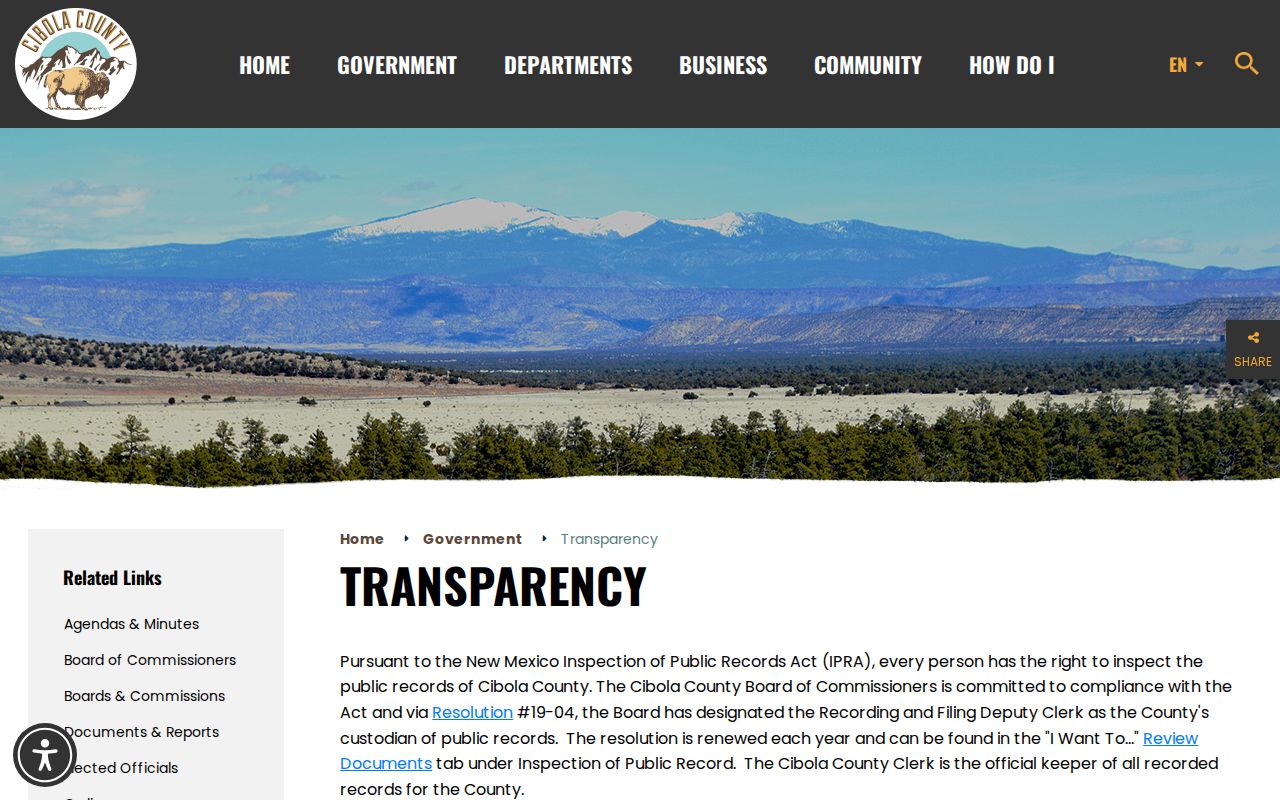
It is the durable route when no online blotter covers the desired dates.
Archives and Retention
With no public log, there is no verified online archive depth to lean on. County records answer instead to retention schedules and to whichever office holds them. The State Records Center and Archives posts agency record-series plans and older schedules. A retention rule never promises internet access. For sheriff material, ask the records clerk. Municipal police records go through the city. Case documents belong to the court clerk, and sentenced-state custody records sit with NMCD. Local reporting runs hot and cold. Cibola Citizen publishes news and an e-edition. Regional outlets sometimes pick up wanted-person arrests or major cases. Those stories arrive late, cherry-pick events, or lean on an agency release. None of it adds up to a blotter. Some private pages are stamped "Cibola County recent bookings." They can be stale or tied to no county feed at all. The official state archive context is shown here.
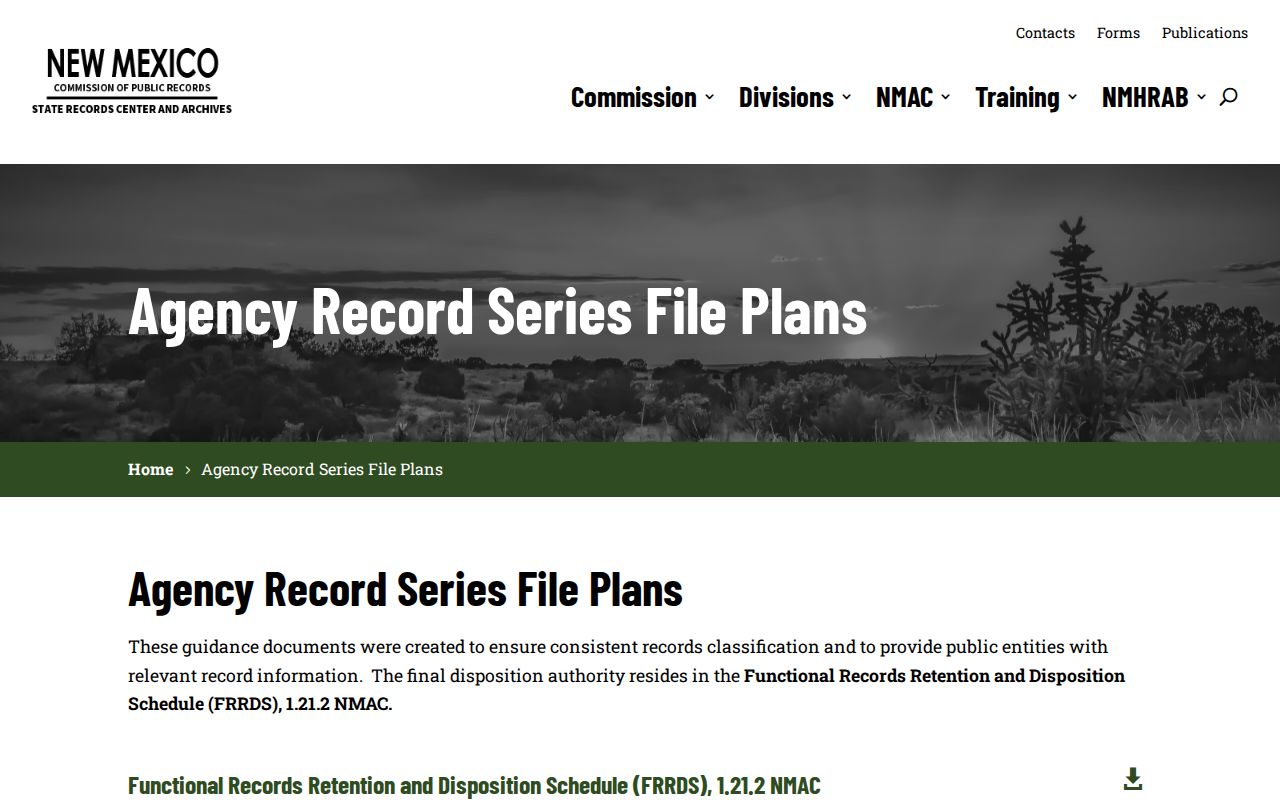
Use the schedule to frame your request, then confirm with the actual custodian that the record still exists and is public.
Cibola News Is Not a Blotter
A newspaper story can pin down the date of an agency announcement. It can quote a probable-cause account or reprint a wanted notice. Still, it covers only chosen events. Publication may land days after the arrest. A later release or court action may never earn a follow-up. The NMSU Grants crime log is confined to campus public safety. Neither source belongs in a countywide count. Use news to surface an agency, a date, or a case number. Then verify the record where it lives. A wanted poster is not proof of a booking. When a story describes an arrest in another county on a Cibola warrant, pull records from both sides. Contact the arresting location and the issuing authority.
Building a Reliable Date Range
A strong request names the start date and the end date. It lists the likely agency too. The record types wanted belong in the request as well. Arrest time and booking time can land on opposite sides of midnight. First appearance, bond review, release, and transfer each add dates of their own. Pad the window slightly when the booking time is unknown. A written IPRA request sets the formal statutory procedure in motion. County guidance separates inspection from copying. It permits reasonable copy and postage fees. Confirm the current amount first. Broad or burdensome requests may buy the office extra time. A narrow request for one named person and one defined event searches faster. It gathers less unrelated protected data.
When an office reports no responsive record, check two things first. Did the request reach the right custodian? Did another agency make the arrest? Ask about alternate spellings, agency case numbers, booking numbers, and transfer records. Widen the request to a countywide demand only after those identifiers fail. A precise follow-up separates a true no-record answer. It rules out one sent to the wrong office.